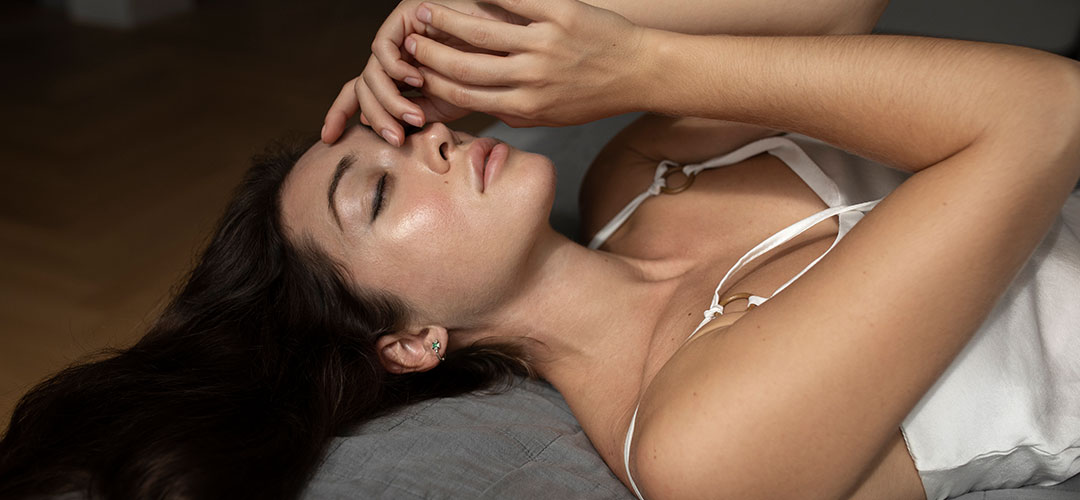
Waking up feeling far too hot at night is common, especially as the weather changes or bedrooms become stuffy. But there is a difference between being too warm in bed and experiencing true night sweats.
More people are now searching for answers around night sweats causes, particularly during midlife and periods of stress.
Although the two can feel similar, they often have different triggers.
What causes overheating at night?
Overheating is usually linked to your surroundings or evening habits. Your body temperature naturally drops slightly as you prepare for sleep. If your environment is too warm, that cooling process becomes harder.
Common reasons include:
- Thick duvets or heavy bedding
- Warm bedrooms with poor airflow
- Sleeping in synthetic fabrics
- Alcohol before bed
- Large or spicy evening meals
- Warm summer nights
- Sharing a bed with someone who steals both the duvet and the cool side of the mattress
Usually, overheating improves quickly once you cool the room down or remove layers.
What are night sweats?
Night sweats are typically more intense than simple overheating. They often involve excessive sweating during sleep, regardless of room temperature.
People commonly describe:
- Waking with damp clothes or bedding
- Sudden waves of heat
- Sweating that disrupts sleep
- Feeling clammy or flushed overnight
- Symptoms happening repeatedly over time
Unlike overheating, night sweats are often linked to internal changes within the body rather than the sleeping environment itself.
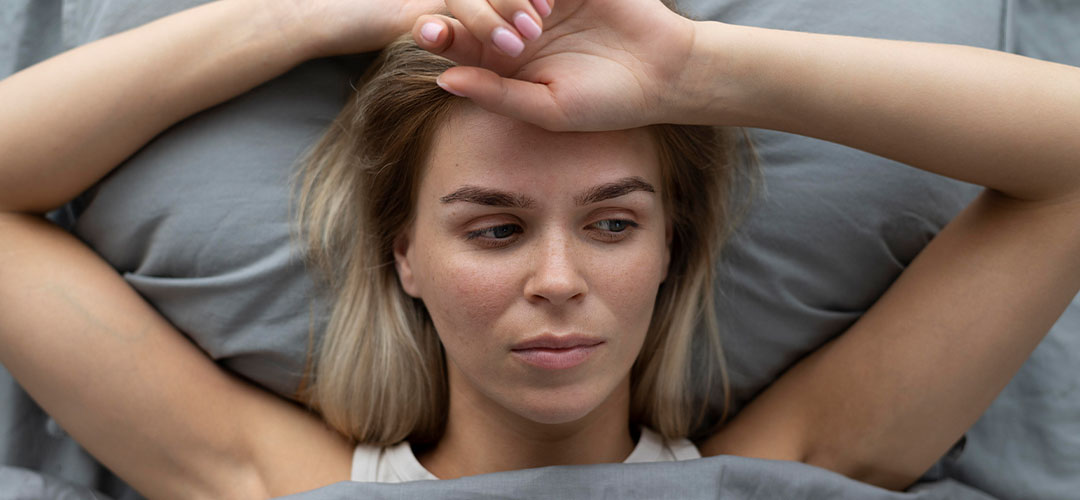
Hormones and night sweats
One of the biggest causes of night sweats in women is hormonal fluctuation during perimenopause and menopause.
Changes in oestrogen levels may affect the body’s temperature regulation, which is why some people suddenly become more sensitive to heat, particularly overnight. Hot flushes may also happen alongside sleep disruption, mood changes, or fatigue.
Stress may contribute too. When the nervous system stays in a heightened state, it may leave the body feeling restless and physically alert during the night.
Lifestyle factors that may make symptoms worse
Certain habits may increase the chances of waking hot or sweaty overnight, including:
- Drinking alcohol late in the evening
- Too much caffeine during the day
- Spicy foods before bed
- Warm, unventilated bedrooms
- High stress levels
- Poor sleep routines
Hydration may also play a role. During warmer months especially, not drinking enough water throughout the day may leave you feeling more uncomfortable overnight.
How can you tell the difference?
A simple way to think about it is this:
- Overheating usually improves once the room or bedding changes
- Night sweats tend to happen regardless of temperature and may occur repeatedly
If you wake up occasionally because the bedroom feels stuffy, that is probably overheating. If you regularly wake drenched in sweat despite a cool room, there may be something else contributing.
Simple ways to stay cooler overnight
A few practical adjustments may help improve sleep comfort:
- Use lighter, breathable bedding
- Open windows where possible
- Avoid heavy meals late at night
- Limit alcohol close to bedtime
- Choose cotton sleepwear
- Keep screens and stimulating activities earlier in the evening
- Try calming bedtime routines to help your body unwind
Some people also enjoy relaxing evening rituals such as herbal teas, reading, gentle stretching, or calming aromatherapy blends before bed.
When should you seek advice?
Occasional overheating is completely normal. However, persistent or severe night sweats are worth discussing with a healthcare professional, especially if they are new, frequent, or affecting sleep quality.
Keeping track of patterns may help you spot triggers, whether they are linked to hormones, stress, food, alcohol, or room temperature.
Understanding what your body is telling you
Feeling hot at night does not always mean the same thing. Sometimes it is simply a warm bedroom or winter bedding that should have been packed away weeks ago. Other times, your body may be responding to hormonal shifts, stress, or lifestyle factors.
Paying attention to patterns, routines, and sleep habits may help you better understand what is behind those middle-of-the-night wake-ups, and what changes might help you sleep more comfortably.
Disclaimer:
Information and other content provided in Lily & Loaf blogs should not be construed as medical advice and should not be considered a substitute for professional medical expertise. If you have any medical concerns, you should consult with your health care provider.