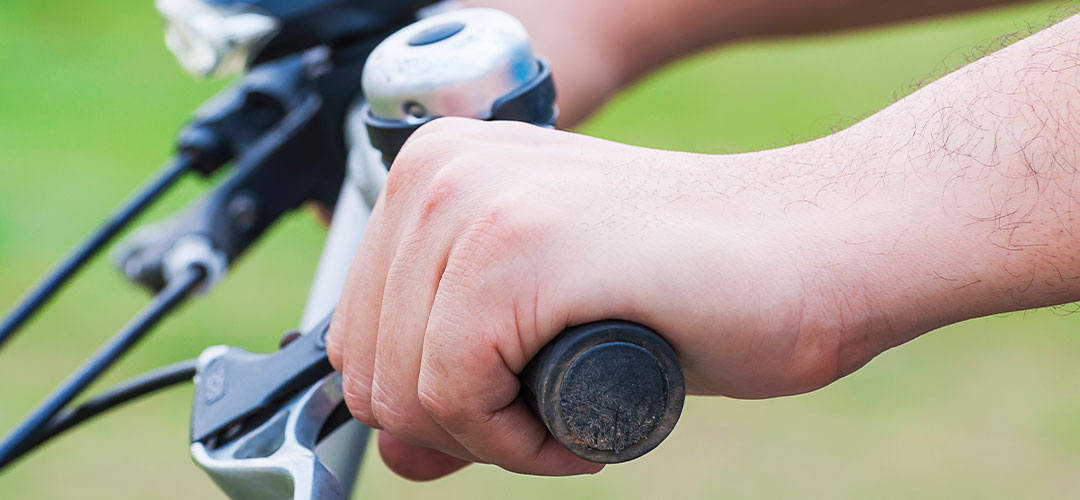
When people think about staying healthy and active, they often focus on cardiovascular fitness, flexibility, or maintaining a healthy weight. However, one aspect of physical wellbeing that receives far less attention is grip strength.
Grip strength is simply the force generated by the muscles in your hands, wrists, and forearms. Although it may seem like a small thing, it plays a role in countless everyday activities, from carrying shopping bags and lifting suitcases to gardening, cooking, and opening jars.
Because we rely on our hands so much, maintaining strength in this area can help support independence, confidence, and an active lifestyle as we get older.
Why Grip Strength Is Important
Your hands are involved in almost everything you do. Whether you're carrying a child, pushing a lawnmower, lifting a watering can, or holding onto a handrail, grip strength helps make these tasks easier and more comfortable.
As we age, muscle strength naturally declines if it is not regularly challenged. This can affect everyday activities long before we notice significant changes elsewhere in the body. Maintaining strength in the hands and forearms is therefore an important part of staying physically capable and active.
Many healthcare professionals also use grip strength as one of several indicators when assessing physical function, particularly in older adults. Whilst it is not a complete measure of health, it can provide useful insight into overall strength and mobility.
Signs Your Grip Strength May Be Declining
Changes often happen gradually. You may notice that carrying heavy shopping feels more difficult than it once did, or that your hands tire more quickly during tasks such as gardening or DIY.
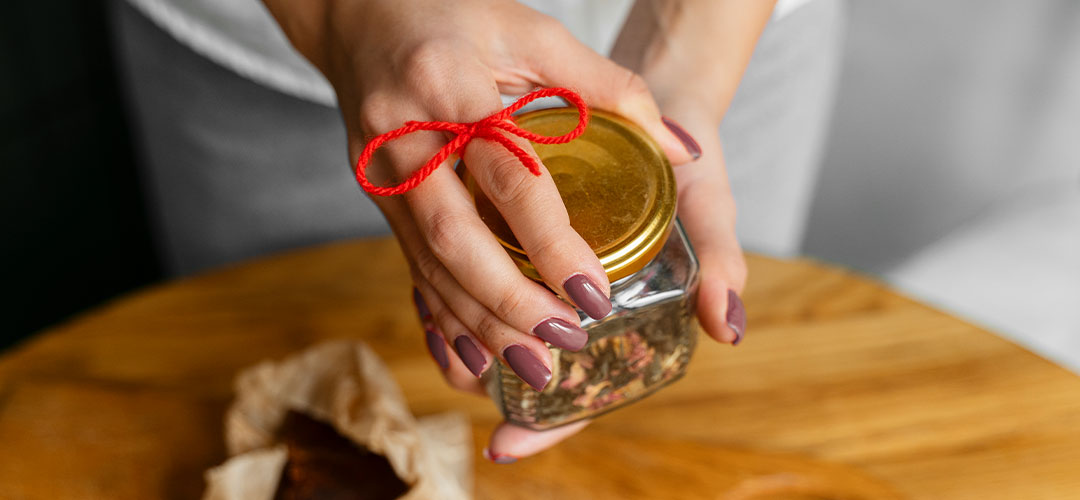
Some people find that opening jars becomes more challenging, while others notice reduced confidence when lifting or carrying heavier objects. These changes are often linked to reduced muscle use over time rather than any specific problem.
The good news is that strength can often be improved at any age.
Simple Ways to Build Grip Strength
One of the easiest ways to improve grip strength is to use it more often. Carrying shopping bags instead of using a trolley for lighter purchases, moving plant pots around the garden, or carrying a watering can all provide natural opportunities to challenge the muscles in your hands and forearms.
Resistance training may also help. Exercises that involve holding weights, such as rows, deadlifts, and farmer's carries, encourage the muscles of the hands and forearms to work alongside the larger muscles of the body.
Even simple hand exercises can be beneficial. Squeezing a stress ball, using a grip trainer, or performing gentle wrist exercises while watching television can all help build strength over time.
Everyday Activities That Help
Many people already do activities that naturally support grip strength without realising it. Gardening, for example, involves gripping tools, carrying pots, pulling weeds, and lifting bags of compost. Similarly, hobbies such as knitting, woodworking, racquet sports, and certain forms of crafting all encourage the hands to stay active. The key is consistency. Small amounts of regular activity are often more effective than occasional bursts of effort.
Looking After Your Strength as You Age
Maintaining muscle strength throughout the body becomes increasingly important with age. Alongside regular movement and resistance exercise, eating enough protein and staying physically active can help support healthy muscles. The aim is not necessarily to develop an exceptionally strong grip, but to maintain the strength needed to comfortably carry out everyday tasks and continue enjoying the activities you love.
A Small Measure with Everyday Benefits
Grip strength may not be something most of us think about until it starts to decline, but it influences many aspects of daily life. From carrying groceries and gardening to opening jars and lifting luggage, strong hands help make ordinary tasks feel easier.
Like many aspects of wellbeing, the best approach is often the simplest: keep moving, keep using your muscles, and give your hands regular opportunities to stay active. Your future self may thank you the next time a stubborn jar lid refuses to cooperate.
Disclaimer:
Information and other content provided in Lily & Loaf blogs should not be construed as medical advice and should not be considered a substitute for professional medical expertise. If you have any medical concerns, you should consult with your health care provider.