
You’re eating salads, choosing wholefoods, drinking plenty of water and trying to make the “right” choices, yet your stomach still feels swollen, uncomfortable or tight by the end of the day. It can be frustrating when you’re eating healthy but still bloated, especially when it feels like your body should be thanking you for the effort, not fighting back!
The truth is, bloating is not always a sign that you’re eating badly. In some cases, it may actually happen because you’ve suddenly increased certain “healthy” foods that are harder to digest, or because your digestive system needs a bit more support than you realise.
If you often find yourself wondering, why you’re bloated even though you eat well, here are some of the most common reasons it could be happening.
Healthy foods are not always easy to digest
A lot of foods linked with a healthy diet are rich in fibre, which is generally a good thing. Fibre helps support normal digestion, bowel regularity and gut health. But when you eat a lot of it, especially in raw form, it may leave you feeling bloated rather than better.
Raw vegetables, large salads, cruciferous veg like broccoli and cauliflower, onions, pulses, and high-fibre smoothies may all be nutritious, but they can also be quite demanding on the digestive system. Raw foods in particular take more effort to break down than cooked foods, so if your digestion is already sluggish, piling your plate with raw produce may leave you feeling overly full, gassy or uncomfortable.
This does not mean healthy foods are the problem. It may simply mean your body handles them better in a different form. Lightly steaming vegetables, having soups instead of massive salads, or spacing fibre intake more evenly through the day may help reduce bloating without cutting out nutritious foods altogether.
For many people, the issue is not that they are eating the wrong foods, it is that they are eating foods their digestion is struggling to process efficiently.
Too much fibre too quickly may backfire
One of the biggest causes of bloating on a healthy diet is suddenly increasing fibre intake. This often happens when someone swaps white carbs for wholegrains, starts eating more fruit and veg, adds seeds to breakfast and throws beans into every lunch. On paper, it looks like a gold star day. In reality, your gut might be staging a small protest.
Fibre needs fluid and time to move through the digestive system properly. If you increase fibre very quickly, or do it without drinking enough water, it may sit heavily in the gut and create that uncomfortable bloated feeling.
This is especially common if you have recently changed your diet in an effort to lose weight, improve your health or “eat clean”. Your digestive system sometimes needs a gradual transition, not a full lifestyle ambush by chickpeas.
Your gut bacteria may be out of balance
Another reason for bloating after healthy eating is gut imbalance. Your gut contains trillions of bacteria, and when that balance is off, digestion may become less efficient. This can lead to bloating, excess gas, irregular bowel movements and discomfort after meals, even when those meals are full of nutritious ingredients.
A gut imbalance may develop after stress, illness, antibiotics, poor sleep, long periods of restrictive eating or simply an inconsistent diet over time. When the gut microbiome is not in good shape, foods that are normally well tolerated may start to trigger symptoms.
This is one reason why some people feel bloated after eating fruit, oats, yoghurt, vegetables or other foods normally seen as healthy. The food itself is not necessarily the enemy. The real issue may be how it is being fermented and processed in the gut.
If this sounds familiar, it may be worth looking at your overall digestive health rather than blaming one single ingredient.
Hidden triggers could be sneaking into your diet
Sometimes the answer to “why do I feel bloated all the time?” lies in foods you would never suspect. Healthy eating does not always mean bloat-free eating, because some foods marketed as wholesome may still contain ingredients that trigger digestive discomfort.
Some of the most common hidden bloating triggers include:
- Protein powders with sweeteners or gums
- “Healthy” snack bars packed with fibres and sugar alternatives
- Dairy products, even in small amounts
- Large amounts of nuts or nut butters
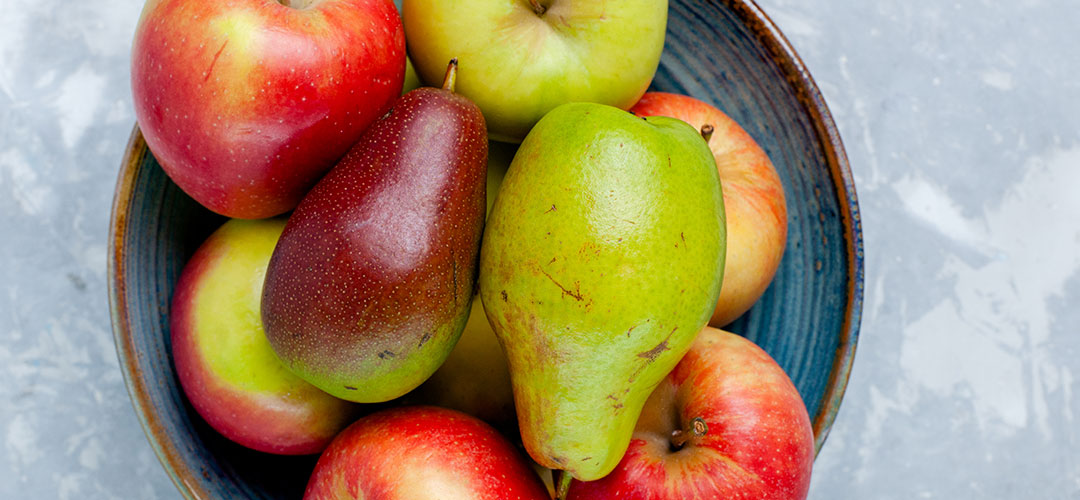
- Apples, pears and onions
- Carbonated drinks, including flavoured sparkling water
- Chewing gum or sugar-free mints
Even things like eating too quickly, drinking through a straw or talking while eating may increase swallowed air and make bloating worse.
If you feel bloated after every meal, keeping a simple food and symptom diary for a week may help you spot patterns. It is often not about one dramatic trigger, but about repeated combinations that your body finds difficult.
Stress and rushed eating may be playing a part
Digestion works best when your body is in a relaxed state. If you are eating on the go, wolfing down lunch at your desk or constantly stressed, your body may not be giving digestion the attention it needs.
This is one of the most overlooked causes of bloating. You can eat the most balanced, nutrient-dense meal in the world, but if you eat it while distracted, tense or in a rush, your digestive system may not function as smoothly.
Chewing properly, sitting down to eat, slowing your pace and avoiding giant meals late at night may all help support more comfortable digestion.
What helps if you’re eating healthy and still bloated?
If you are bloated despite eating well, it may help to strip things back and simplify your approach for a few days.
Try focusing on:
- Cooked vegetables instead of lots of raw foods
- Smaller, more balanced meals
- A slower increase in fibre
- Plenty of water throughout the day
- Less ultra-processed “health” food
- Eating more slowly and chewing thoroughly
- Watching for repeat triggers like dairy, sweeteners or protein powders
Digestive enzymes may also be worth considering for some people, particularly if bloating tends to happen after meals and you often feel heavy or overly full. They may help support the breakdown of food, making meals feel more comfortable to digest. This may be especially useful when eating richer meals, higher-protein meals, or foods you know your stomach tends to struggle with.
Supporting the gut more broadly can also make a difference. If gut imbalance is part of the picture, looking at overall diet quality, stress, sleep and beneficial bacteria may help over time.
If you are eating healthy but still feel bloated, it does not mean you are failing or doing anything wrong. In many cases, bloating is a sign that your digestive system needs a different kind of support, not a stricter diet.
Raw foods, too much fibre, gut imbalance and hidden triggers may all play a role. Sometimes the healthiest-looking diet on paper is not the most comfortable one for your body right now.
Disclaimer:
Information and other content provided in Lily & Loaf blogs should not be construed as medical advice and should not be considered a substitute for professional medical expertise. If you have any medical concerns, you should consult with your health care provider.