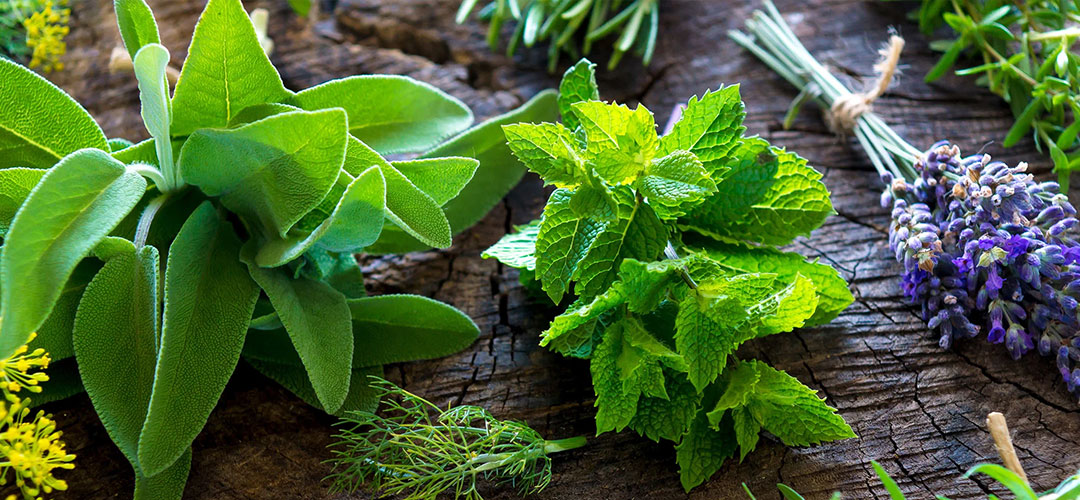
Parsley, oregano, thyme, basil - where flavour meets function
Herbs have been doing a quiet, competent job in kitchens for centuries. Before supplements had labels and superfoods had hashtags, herbs were simply how food tasted good and supported everyday wellbeing. And the good news? You don’t need exotic powders or complicated protocols. The humble herbs already sitting in your fridge or spice rack may be doing more for your health than you realise.
This guide explores how to cook with herbs for health, focusing on four everyday favourites: parsley, oregano, thyme and basil.
We’ll look at their traditional uses, how they fit naturally into meals, and why fresh, flavourful cooking still matters in a modern diet.
Why cooking with herbs still matters
Cooking with herbs is one of the simplest ways to add functional nutrition to everyday meals. Herbs contain naturally occurring plant compounds, often referred to as phytonutrients, which may support digestion, immunity, circulation and overall vitality.
From a practical point of view, herbs also help reduce the need for excess salt, sugar or heavy sauces. More flavour, less fuss. Your taste buds win, your meals feel lighter, and your body quietly appreciates the effort.
If you’re searching for natural ways to support health through food, or wondering which herbs are best to cook with daily, you’re very much in the right place.
Parsley: the unsung kitchen all-rounder
Parsley is often treated as a garnish, which is frankly rude given how much it brings to the table.
Why parsley earns its place
Traditionally valued in European and Middle Eastern cooking, parsley has long been used to support digestion and freshen meals. It contains naturally occurring compounds associated with antioxidant activity and is commonly included in diets focused on balance and detox-friendly eating.
How to cook with parsley
Parsley works best fresh and added at the end of cooking to preserve flavour.
Try it:
- Finely chopped through salads, grain bowls or tabbouleh-style dishes
- Stirred into soups just before serving
- Mixed with lemon and olive oil as a quick dressing
- Sprinkled generously over roasted vegetables or fish
For anyone looking for herbs that support digestion naturally, parsley is a gentle and versatile place to start.
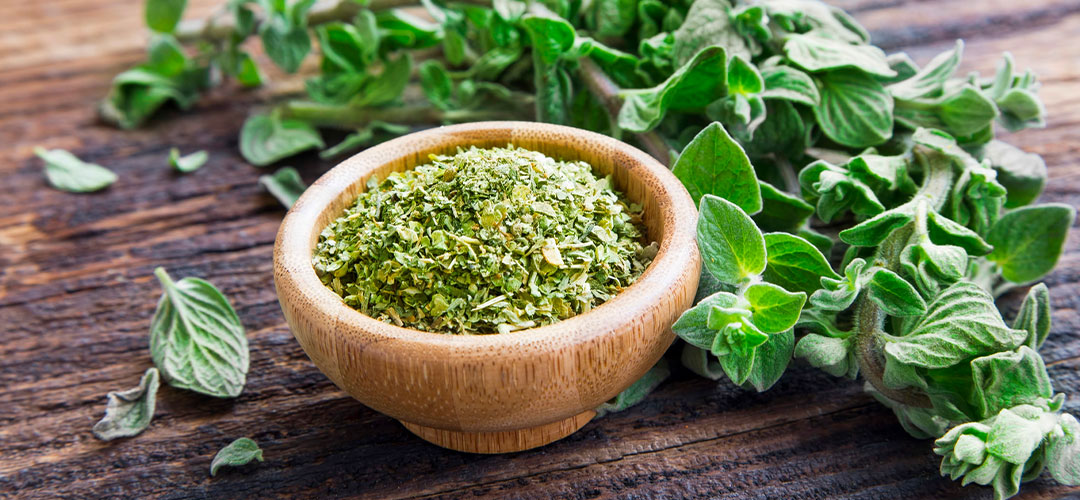
Oregano: bold flavour, Mediterranean roots
Oregano is small but mighty. Its warm, slightly peppery taste has made it a staple of Mediterranean diets often associated with longevity and heart health.
Why oregano stands out
Oregano has traditionally been used in herbal practices to support respiratory and digestive health. Its naturally robust profile comes from aromatic compounds that also give it its distinctive taste.
Fresh or dried, oregano earns its keep.
How to cook with oregano
Oregano is heat-stable, making it ideal for cooking.
Try it:
- Added to tomato-based sauces and stews
- Paired with roasted vegetables, especially aubergine and courgette
- Mixed into marinades for meat, tofu or halloumi
- Sprinkled over homemade flatbreads or focaccia
If you’re searching for herbs that support immune health through cooking, oregano is a strong (and delicious) contender.
Thyme: subtle, savoury and quietly supportive
Thyme doesn’t shout. It murmurs. And that’s exactly why it works so well.
Why thyme deserves attention
Used traditionally in European herbalism, thyme has often been associated with respiratory comfort and seasonal wellbeing. Its essential oils give it a distinctive aroma that feels grounding and warming, particularly in colder months.
How to cook with thyme
Thyme pairs beautifully with slow cooking and hearty dishes.
Try it:
- Added to soups, broths and casseroles
- Roasted with mushrooms, onions and root vegetables
- Infused into oils or butter
- Used sparingly with eggs, lentils or chicken
For anyone interested in herbs for winter cooking and wellbeing, thyme is a kitchen staple worth leaning on.
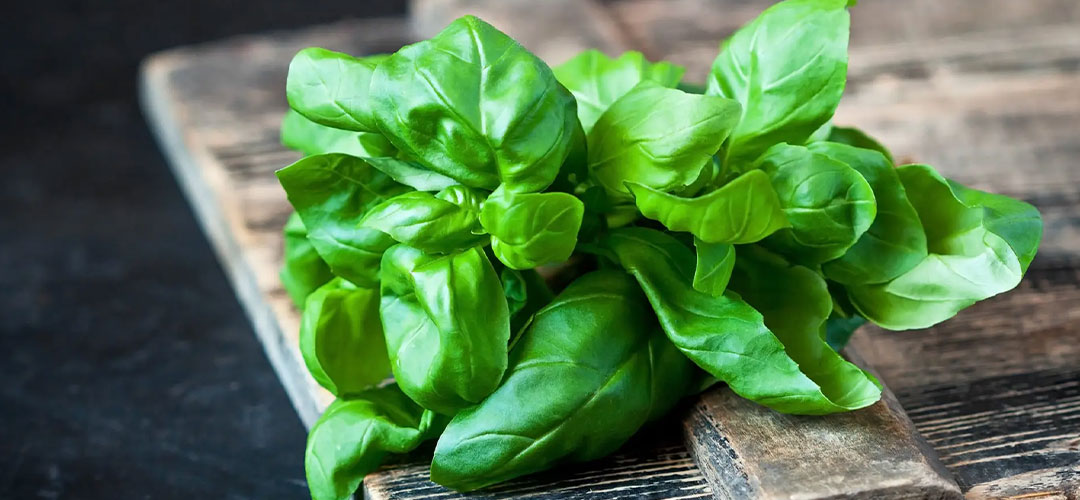
Basil: fresh, fragrant and mood-lifting
Basil feels like sunshine in leaf form. Its fresh aroma and soft sweetness make it a favourite in warmer months, but its benefits go beyond taste alone.
Why basil is more than just pesto
Basil has traditionally been used to support digestion and ease feelings of heaviness after meals. In many cultures, it’s associated with balance and calm, making it as much about how food feels as how it tastes.
How to cook with basil
Basil is delicate and best used fresh.
Try it:
- Torn (not chopped) into salads
- Stirred through pasta just before serving
- Blended into pesto, dressings or dips
- Paired with tomatoes, mozzarella and olive oil
If you’re exploring fresh herbs for everyday health, basil offers flavour with a lighter, uplifting touch.
Fresh vs dried herbs: does it matter?
Both have their place. Fresh herbs tend to offer brighter flavour and aroma, while dried herbs are more concentrated and convenient.
A good rule of thumb:
- Use fresh herbs for finishing, salads and lighter dishes
- Use dried herbs for slow cooking, sauces and roasting
Whichever you choose, regular use is more important than perfection. This is everyday cooking, not a cooking show final.

Bringing herbs into everyday meals
You don’t need a complete kitchen overhaul. Start small.
Easy ways to cook with herbs daily:
- Add one herb to meals you already cook
- Keep fresh herbs visible in the fridge so you actually use them
- Grow a small pot on a windowsill
- Mix herbs into oils, butters or dressings for quick wins
For people looking to support health naturally through food, consistency beats complexity every time.
Final thoughts: flavour is functional
Cooking with herbs is one of the simplest, most enjoyable ways to support everyday health. Parsley, oregano, thyme and basil don’t promise miracles - and that’s the point. They quietly enhance meals, support digestion, and help food feel nourishing rather than heavy.
Good health doesn’t always start with a supplement bottle. Sometimes it starts with a chopping board, a handful of herbs, and a bit more intention in the kitchen.
And if nothing else, your dinners will taste better. Which is a health benefit in its own right.
Disclaimer:
Information and other content provided in Lily & Loaf blogs should not be construed as medical advice and should not be considered a substitute for professional medical expertise. If you have any medical concerns, you should consult with your health care provider.