
If you have sore, stiff or achy knees, the thought of exercising can feel daunting. Many people worry that movement will make their symptoms worse, so they become less active. However, in many cases, the opposite is true. The right kind of exercise can help keep your joints moving, strengthen the muscles that support your knees and improve your overall fitness without placing excessive strain on your joints.
The key is choosing low-impact exercise, activities that minimise the force placed on your knees while still providing excellent health benefits.
Whether you're recovering from an injury, living with osteoarthritis or simply finding that your knees aren't as forgiving as they once were, there are plenty of ways to stay active.
Why Exercise Is Still Important
Your knee is one of the hardest-working joints in your body. Every step you take places force through the joint, and the muscles around it play an important role in providing stability and support.
Avoiding exercise altogether can actually lead to weaker muscles, reduced flexibility and stiffer joints, making everyday activities like climbing stairs or getting out of a chair feel more difficult.
Regular movement can help maintain joint mobility, improve muscle strength and support a healthy weight, all of which benefit your knees over the long term.
If you experience severe pain, significant swelling or have recently suffered an injury, it's important to seek advice from a healthcare professional before starting a new exercise programme.
Walking
It may sound simple, but walking remains one of the best forms of exercise for many people with knee discomfort.
Walking is gentle, accessible and easy to adjust to your fitness level. Start with short distances on flat, even surfaces and gradually increase your time as your confidence grows.
Supportive footwear can also make a noticeable difference by helping to absorb some of the impact with each step.
If longer walks aggravate your knees, try splitting your activity into two or three shorter walks throughout the day.
Swimming
Swimming is often considered one of the most joint-friendly forms of exercise available.
The water supports much of your body weight, allowing you to move more freely while placing very little pressure on your knees. At the same time, the resistance provided by the water helps strengthen muscles throughout the body.
Whether you enjoy swimming lengths, water aerobics or even a bit of wild swimming, it's an excellent way to improve cardiovascular fitness without high impact.
Cycling
Cycling allows you to strengthen the muscles around your knees while keeping impact to a minimum.
Whether you choose an exercise bike or ride outdoors, cycling provides smooth, controlled movement that many people find more comfortable than activities such as jogging.
Ensure your bike is adjusted correctly, as a poorly positioned saddle can place unnecessary strain on your knees.
Start with light resistance and build up gradually.
Strength Training
One of the best ways to support your knees isn't actually focusing on the joints themselves, it's strengthening the muscles around them.
Strong quadriceps, hamstrings, glutes and calves all help provide stability and reduce the load placed on the knee joint during everyday activities.
Simple exercises such as chair squats, step-ups, glute bridges and leg raises can all be effective when performed with good technique. Resistance bands are another excellent option, providing gentle resistance without placing excessive stress on the joints.
You don't need heavy weights to see benefits. Consistency is far more important than lifting large amounts.
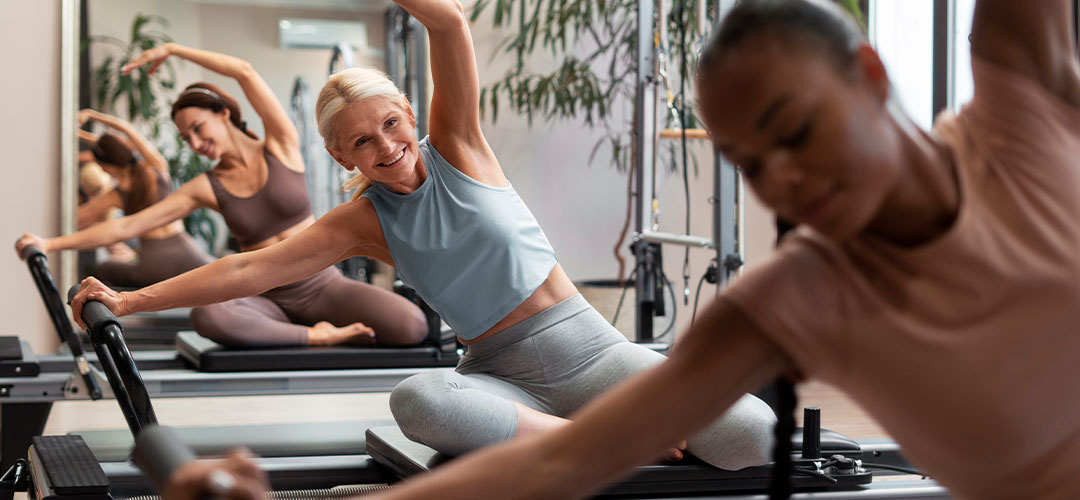
Yoga and Pilates
Flexibility and balance are just as important as strength when it comes to maintaining healthy movement.
Yoga and Pilates both focus on controlled movements, posture, flexibility and core strength. Many exercises can be adapted to suit your ability, making them suitable for beginners and those with limited mobility.
Improved balance may also help reduce the risk of falls as we get older.
If you're attending a class, let the instructor know about your knees so they can offer suitable modifications.
Rowing Machines
A rowing machine might not be the first exercise that comes to mind, but many people with mild knee discomfort find it surprisingly comfortable.
Rowing provides a full-body workout that strengthens the legs, back and arms while offering a smooth, low-impact movement.
Good technique is essential, so begin with shorter sessions and lighter resistance while you become familiar with the movement.
Tai Chi
Tai Chi combines slow, flowing movements with balance, coordination and controlled breathing.
Often described as "meditation in motion", it's a gentle form of exercise that can help improve mobility and confidence while placing very little stress on the joints.
Because movements are slow and controlled, it's particularly popular among older adults looking to remain active.
Everyday Movement Counts Too
Exercise doesn't have to mean spending an hour in the gym.
Simple activities throughout the day all contribute towards keeping your joints moving. Gardening, household chores, walking the dog, climbing stairs when comfortable or even standing up regularly if you have a desk job can all help reduce long periods of inactivity.
These smaller bursts of movement soon add up and are often easier to maintain than structured workouts alone.
Supporting Joint Health Through Nutrition
Exercise and maintaining a healthy weight remain two of the most effective ways to support your joints, but nutrition also plays an important role.
A balanced diet rich in fruit, vegetables, wholegrains, lean protein and healthy fats provides the nutrients your body needs to maintain normal bones and muscles. Protein contributes to the maintenance of muscle mass, helping support the muscles that protect your knees.
Some people also choose supplements alongside a healthy lifestyle. Vitamin D contributes to the maintenance of normal bones and normal muscle function, while magnesium contributes to normal muscle function and electrolyte balance. Omega-3 supplements are another popular choice as part of a balanced diet, particularly for people who don't regularly eat oily fish.
Remember, supplements should complement a healthy lifestyle rather than replace regular exercise or a nutritious diet.
Tips for Exercising with Knee Pain
Listening to your body is one of the most important parts of exercising safely. A little muscle soreness after trying something new is normal, but sharp or worsening knee pain shouldn't be ignored.
It's also worth warming up for five to ten minutes before exercising and cooling down afterwards with some gentle stretching. Increasing your activity gradually gives your muscles and joints time to adapt and is far more sustainable than doing too much too soon.
Most importantly, choose activities you genuinely enjoy. Whether that's swimming, cycling or simply walking with a friend, you're far more likely to stick with an exercise routine that fits naturally into your lifestyle.
Final Thoughts
Having bad knees doesn't mean you have to stop exercising. In fact, staying active is often one of the best things you can do for your long-term joint health.
Low-impact activities such as walking, swimming, cycling, strength training and yoga can help keep your body moving while placing less stress on your knees. Combined with a balanced diet, healthy body weight and sensible progression, these exercises can help you stay active, maintain independence and continue enjoying the activities you love for years to come.
Disclaimer:
Information and other content provided in Lily & Loaf blogs should not be construed as medical advice and should not be considered a substitute for professional medical expertise. If you have any medical concerns, you should consult with your health care provider.