
The long, hot summer is starting to fade, the nights are drawing in, the weather is getting distinctly cooler, and autumn is almost in full swing.
It can mean only one thing – your kids are back and school, where they may pick up all kinds of nasty bugs or illnesses that slow them down and throw them off kilter. Like most parents, you want your children to be happy, healthy and full of life.
It can be heart-breaking when they’re not quite feeling themselves. Thankfully, keeping most common children’s bugs at bay and warding off those annoying little illnesses they pick up at school is easier than you think. Here, we share our top tips on the symptoms to look out for and what you can do to boost your kids’ immune systems to keep them fighting fit.
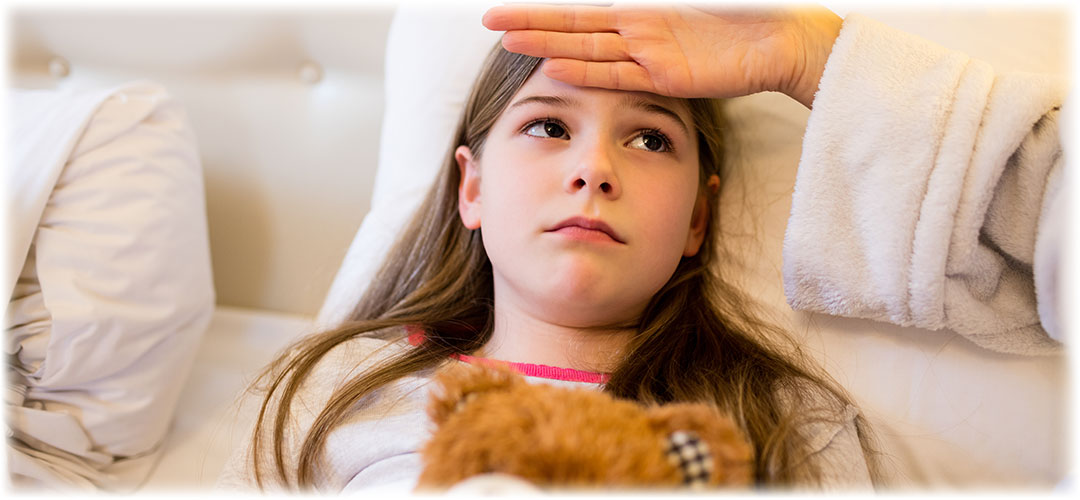
• Common bugs kids pick up at school
Common coughs, colds and tummy bugs are par for the course for most children, especially when they return to school and mix with other kids. These mostly sort themselves out and can be treated at home without having to see a doctor – although your little ones may feel under the weather for a few days.
However, there are some other nasty bugs and illnesses you should be aware of, that may require some special care or treatment. Most of these are contagious, too, so you may need to check with your school to see if you need to keep your children at home to prevent them from spreading. Some of the common illnesses to look out for at this time of year include:
Respiratory Syncytial Virus
Respiratory Syncytial Virus – also known as RSV – can cause infections in your child’s lungs, nose, throat and ears. The virus is spread through droplets from the nose and mouth of infected people, or by touching contaminated surfaces.
Its symptoms are similar to those of a common cold, including coughing, wheezing, fever, runny nose and sneezing.
RSV is most commonly found in the winter and early spring months. While most older children recover from RSV in a few days, it can be very serious for babies, especially those who are younger than six months old.
Impetigo
Impetigo is a bacterial skin infection that typically affects children and is most often seen in the winter months. It’s very contagious and can spread from person to person through close contact or touching objects that have been contaminated, such as towels or clothes.
The signs and symptoms of impetigo include red, raised bumps on the skin, blisters, pus-filled lesions, crusting of the lesions, fever and swollen lymph nodes. They can vary depending on the severity of the infection and where it develops on the body. The infection can spread quickly if it’s not taken care of, which means that you should seek treatment for impetigo as soon as possible.
Slapped Cheek Syndrome
Slapped Cheek Syndrome is a common childhood illness caused by the human Parvovirus B19. It can be transmitted from person to person through contact with respiratory droplets, saliva, infected blood, urine or breast milk.
It usually occurs in children and is characterised by the presence of red cheeks, fever, sore throat, and headache. The symptoms of Slapped Cheek Syndrome are similar to those of common cold or flu, although a rash will usually appear on the cheeks and not anywhere else on the body. It is usually short-lived and does not require any medical treatment as it goes away within a few days.
Gastroenteritis
Gastroenteritis is a common tummy bug that children can pick up at school, that usually lasts for one to three days. It’s an inflammation of the stomach and intestines, which leads to vomiting, diarrhoea and dehydration. Its symptoms include nausea, abdominal pain, fever, headaches, stomach cramps, muscle aches and loss of appetite and fever.
When it comes to treating Gastroenteritis, there are many ways you can help your child get better. It’s important to keep them hydrated with fluids like water or electrolyte drinks. They might not want to eat much, so hearty soups or meal replacement shakes will help get some calories – and energy – into their body. Once their appetite starts to return, give them high-fibre foods like bananas, porridge and wholegrain toast until they are ready to eat normally again.
Head Lice
Head lice are a common problem among children and can spread quickly in schools and nurseries. There are two types of head lice, nits and live bugs. Nits are eggs that can be seen by the naked eye and can be removed with a nit comb. Live bugs are more difficult to spot, but they can be found by parting the hair and looking for small, fast-moving creatures with six legs.
The most effective way to get rid of head lice is through medicated shampoo from a doctor or pharmacist, but there are also many home remedies that work well such as using petroleum jelly or olive oil on the scalp at night to suffocate the bugs. The best way to prevent head lice is by keeping your child’s hair clean and dry, avoiding close contact with other children who may have them, avoiding sharing clothing and bedding with anyone who has head lice, and wearing a hat when outside for long periods of time in chilly weather.
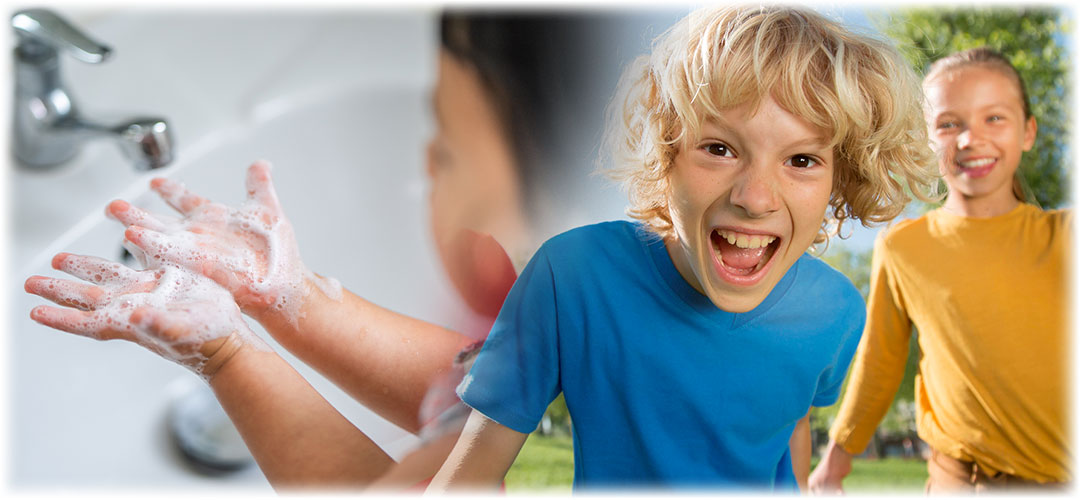
• How to prevent picking up school bugs
Unfortunately, schools can be a hotbed for all sorts of bugs, viruses and infections, especially at this time of year when the weather is getting colder, and kids are starting to mix again after the long summer break. Germs and bacteria are easier to spread at this time of year, which means your children can be more susceptible to bugs.
In order to boost their immune systems and give them the best chance of fighting any infections they might pick up at school, here are a few things you can do:
Washing hands
The importance of washing hands thoroughly several times a day came to the fore during the global COVID-19 pandemic, but good cleanliness remains one of the best ways to prevent the spread of common bugs and viruses. So, get your children to watch their hands several times a day, with warm water and soap, for at least 20 seconds a time.
Fresh air
You can’t beat a bit of fresh air in your lungs to make you feel better and it remains one of the best ways of keeping your children happy and healthy. Spending time outdoors can boost your child’s immune system, lift their mood and improve their circulation, so get them active and enjoy your family time with them.
Have a laugh
They say laughter is the best medicine and it might be scientifically proven. Countless studies have found that laughing regularly can boost the immune system and lower stress levels, so be silly, enjoy your play and let your kids be kids.
Stick to routine
Routine is important for most people, but especially for children. Getting them to eat, sleep and wake up at the same time every day can help prevent tiredness, maintain their energy levels and ensure they get enough sleep to fight off illness and infection.
• Get active
As little as 20 minutes of aerobic exercise every day is enough to boost circulation and get the blood and heart pumping. This can also have a beneficial effect on your child’s immune system. It doesn’t matter whether it’s swimming, cycling, running, dancing, kicking a ball around or playing hide and seek, just get active and have fun with your children and you’ll all reap the health benefits. As parents, we all want what’s best for our children, so giving them all the vital vitamins, minerals and nutrients they need to stay happy and healthy will help them get off to the best start in life.
Our range of daily nutrition supplements for children provides your little ones with everything they need to naturally support their healthy growth and development. In combination with a healthy diet, they can help your children to develop and maintain strong and healthy bones, teeth, skin, muscle, cartilage and hair.
Check out these links to find out more:
Disclaimer:
Information and other content provided in Lily & Loaf blogs should not be construed as medical advice and should not be considered a substitute for professional medical expertise. If you have any medical concerns, you should consult with your health care provider.