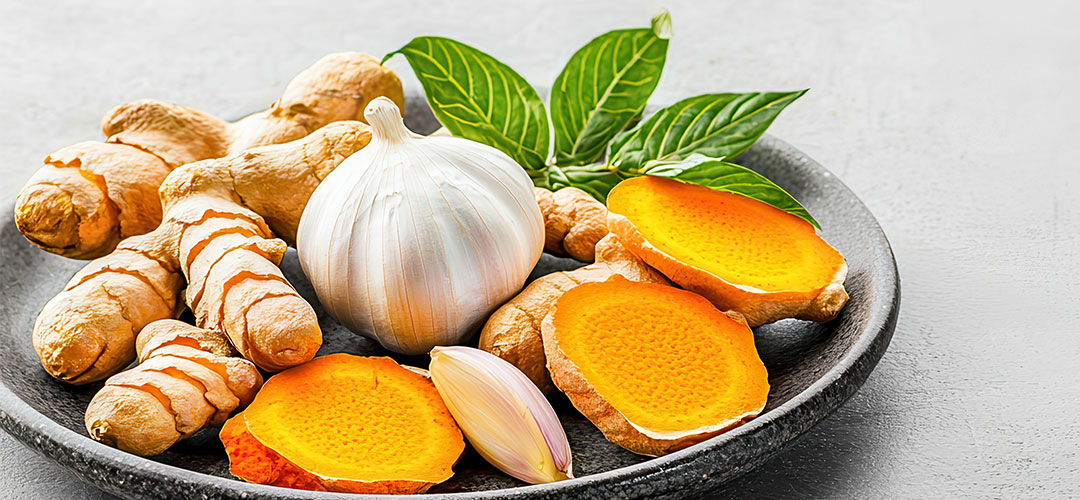
Open almost any kitchen cupboard and you’ll find a handful of ingredients that have been used for generations, not just for cooking, but for supporting everyday health. Long before supplements lined the shelves, people turned to simple, natural remedies like ginger, turmeric, garlic and lemon to help with digestion, immunity and general wellbeing.
These traditional kitchen cupboard remedies are still popular today, and for good reason. They’re accessible, affordable, and easy to incorporate into daily routines. Let’s take a closer look at why these ingredients have stood the test of time, and how you can use them in a modern, practical way.
Ginger: A Go-To for Digestion and Comfort
Ginger has been used for centuries as a natural remedy for digestive discomfort. It’s one of the most well-known kitchen cupboard remedies for bloating and nausea, and it still holds its place today.
Many people reach for ginger when they feel:
- Bloated after meals
- Slightly nauseous
- Sluggish in digestion
Its natural compounds may help support digestive movement and comfort, making it a popular choice after heavier meals or when travelling.
Simple ways to use ginger at home:
- Slice fresh ginger and steep it in hot water for a warming tea
- Add grated ginger to stir-fries or soups
- Combine with lemon and honey for a soothing drink
Turmeric: The Golden Staple
Turmeric has become increasingly popular in recent years, but it’s far from new. Traditionally used in Ayurvedic practices, it’s known for its vibrant colour and wide-ranging uses.
When people look for natural anti-inflammatory foods, turmeric often comes up. While modern interest focuses on its active compound curcumin, traditionally it’s been used more simply, as part of everyday cooking and drinks.
How to use turmeric in your routine:
- Add to curries, soups or roasted vegetables
- Stir into warm milk with a pinch of black pepper
- Blend into smoothies for a subtle earthy flavour
A key tip is to pair turmeric with black pepper, as this may help absorption. Even in small amounts, adding turmeric regularly can feel like an easy step towards supporting overall balance.
Garlic: More Than Just Flavour
Garlic is a staple in most kitchens, but it has a long history as one of the most trusted natural remedies for immune support.
Traditionally, garlic has been used during colder months or when feeling run down. It’s often associated with supporting the body’s natural defences, making it a popular addition to everyday meals.
Easy ways to use garlic daily:
- Add fresh garlic to sauces, soups and dressings
- Crush and leave it for a few minutes before cooking
- Mix raw garlic with olive oil for a simple drizzle
Some people prefer it raw, others cooked, but either way, garlic remains one of the simplest ways to add both flavour and function to meals.

Lemon: Simple, Refreshing and Versatile
Lemon is often associated with freshness, but it’s also widely used as part of natural morning routines for hydration and digestion.
Starting the day with warm lemon water is a long-standing habit for many people. It’s simple, quick, and may help encourage hydration first thing in the morning.
Ways to use lemon at home:
- Add fresh lemon juice to warm water in the morning
- Use it in salad dressings or marinades
- Combine with ginger for a refreshing tea
Lemon is also a source of vitamin C, which contributes to normal immune function, making it a practical addition during seasonal changes.
Bringing Traditional Remedies into Modern Life
You don’t need to overhaul your routine to benefit from these ingredients. Small, consistent habits tend to work best.
Try:
- Adding ginger or lemon to your morning routine
- Cooking with garlic more regularly
- Including turmeric in one meal a day
It’s less about doing everything at once, and more about building simple habits that fit into your lifestyle.
Ginger, turmeric, garlic and lemon have earned their place in the kitchen for more than just their flavour. Their long history of use, combined with their simplicity, makes them a reliable choice for anyone looking to support their wellbeing naturally.
Disclaimer:
Information and other content provided in Lily & Loaf blogs should not be construed as medical advice and should not be considered a substitute for professional medical expertise. If you have any medical concerns, you should consult with your health care provider.