
If you’ve found yourself eating less, moving more, and still watching the scales creep up… you’re not imagining it.
This is one of the most common (and frustrating) experiences during menopause. And despite what diet culture might suggest, it’s not simply about willpower or calories. Your body is changing, and with that, the way it stores and uses energy changes too.
It’s Not Just About Calories Anymore
For years, the message has been simple: eat less, move more.
But during menopause, that equation doesn’t quite work the same way.
Hormonal shifts begin to influence how your body:
- Stores fat
- Uses energy
- Regulates hunger and cravings
So even if your habits haven’t changed much, your body’s response to them has.
What’s Actually Causing the Weight Gain?
Hormonal Changes
As oestrogen levels decline, the body becomes more likely to store fat, particularly around the abdomen. This isn’t random, it’s a natural biological shift.
A Slower Metabolism
With age and hormonal change comes a gradual loss of muscle mass.
Less muscle means:
- Fewer calories burned at rest
- A slower overall metabolism
So the same diet that once maintained your weight may no longer have the same effect.
Changes in Blood Sugar Balance
You may notice:
- More cravings (especially for sugar or carbs)
- Energy dips in the afternoon
- Feeling hungry sooner after meals
This can be linked to changes in how your body handles blood sugar, which may encourage fat storage even if you’re not overeating.
Stress and Cortisol
Midlife often brings more responsibilities, and with it, more stress.
Higher cortisol levels may:
- Encourage fat storage (particularly around the middle)
- Increase cravings for comfort foods
- Make weight loss feel harder than before
Why Eating Less Can Make Things Worse
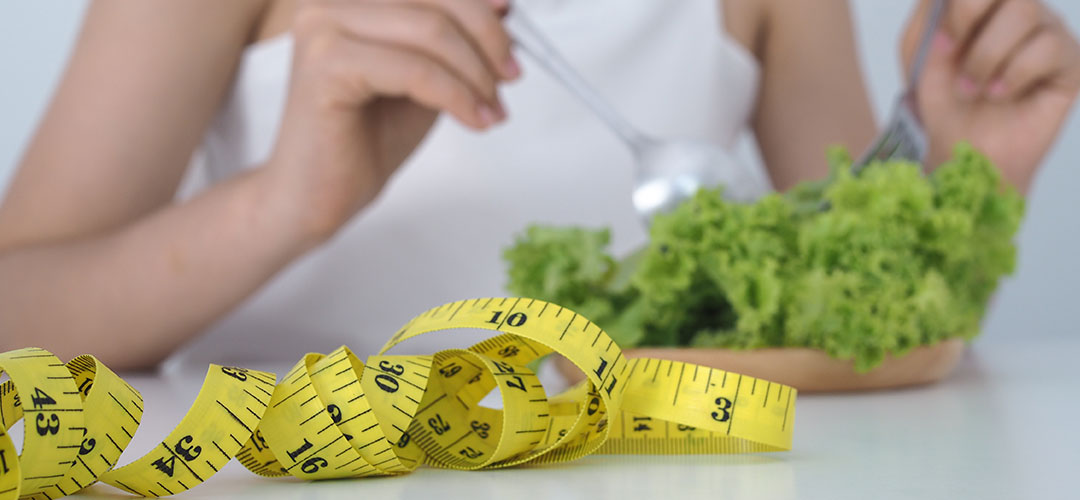
It sounds counterintuitive, but eating too little may actually work against you.
When your body senses a drop in energy intake, it may:
- Slow your metabolism further
- Break down muscle for energy
- Hold on to fat stores more tightly
This is why many women find that cutting calories more and more doesn’t solve the problem, and can even make it more frustrating.
What Can Help? A More Supportive Approach
Instead of focusing on eating less, it may be more helpful to focus on supporting your body through this transition.
Consume More Protein
Protein helps maintain muscle mass, which supports metabolism and keeps you feeling fuller for longer.
Include Resistance Training
You don’t need to spend hours in the gym. Light weights, resistance bands, or bodyweight exercises a few times a week may help support muscle and metabolism.
Support Blood Sugar Balance
Aim for regular meals that include:
- Protein
- Fibre
- Healthy fats
This may help reduce energy dips and cravings.
Don’t Overlook Sleep and Stress
Good quality sleep and stress management play a bigger role than many realise when it comes to weight regulation.
Consider Nutritional Support
Certain nutrients may help support the body during this time, including:
- Magnesium, which contributes to normal muscle function and may support relaxation
- Vitamin D, which contributes to normal muscle function and immune health
- Omega-3 fatty acids, which contribute to normal heart function
A Different Way of Looking at It
If it feels like your body has changed the rules overnight… it’s because, in many ways, it has.
Menopause isn’t about doing more or eating less. It’s about adjusting your approach to match what your body needs now.
With the right support, small changes may make a meaningful difference, helping you feel more in control again.
Disclaimer:
Information and other content provided in Lily & Loaf blogs should not be construed as medical advice and should not be considered a substitute for professional medical expertise. If you have any medical concerns, you should consult with your health care provider.