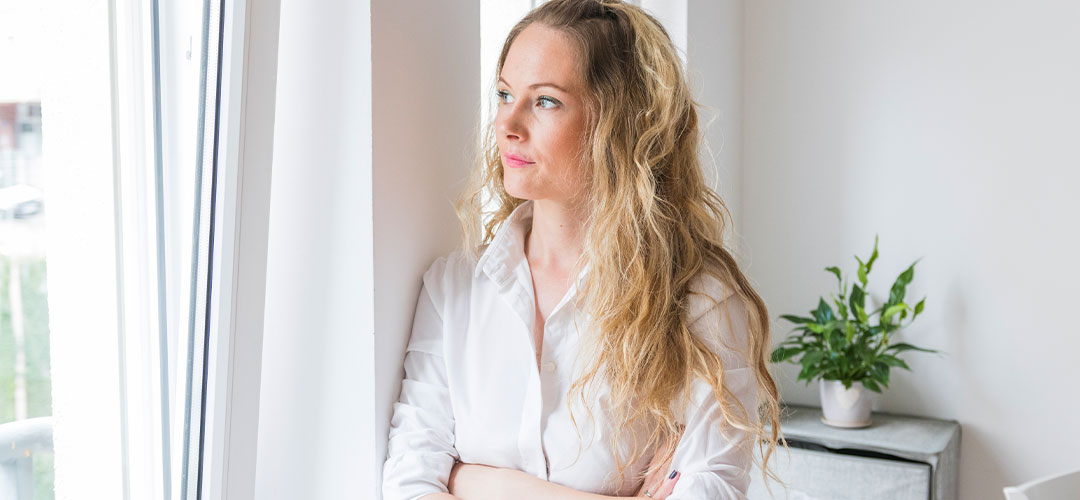
For years, family life can revolve around school runs, packed lunches, football matches, forgotten PE kits and wondering why nobody else seems capable of replacing an empty toilet roll. Then, gradually, things begin to change.
Teenagers become more independent. Weekends with friends replace family days out. University, travelling, relationships or moving into their own home appear on the horizon. Eventually, you may find yourself with something you've spent years wishing you had more of: time.
And strangely, you might not know what to do with it.
Empty nest syndrome describes the feelings of sadness, loss or uncertainty some parents experience when their children leave home. It isn't a clinical diagnosis, and not everyone experiences it. For those who do, however, the transition can feel surprisingly significant.
What Is Empty Nest Syndrome?
Empty nest syndrome can occur when a child leaves the family home, perhaps to attend university, begin a career or move in with a partner.
For some parents, the transition is exciting. There's pride in seeing a child become independent, and potentially considerable excitement about having a bathroom to yourself again. But happiness for your child and sadness about the change can exist simultaneously.
Parenthood provides structure and purpose to everyday life. When children become more independent, routines that have existed for years can disappear remarkably quickly. You may miss the noise, conversations and simply knowing they're upstairs. Some parents also begin questioning what the next stage of their own life looks like.
The Empty Nest Can Begin Before They Leave
Interestingly, these feelings don't necessarily begin when the removal boxes appear. For many parents, there's a gradual transition during the teenage years. Your child may no longer want you watching every football match, spending Saturday afternoon together or accompanying them everywhere.
They still need you, just differently. This period can be an opportunity to begin rediscovering parts of your own life before your children actually leave home. Instead of viewing their increasing independence purely as something you're losing, consider what you're gaining too.
Rediscover Who You Are
It's surprisingly easy for your identity to become closely connected with being Mum or Dad. Ask yourself a simple question: what did you enjoy before family life became so busy?
Perhaps you loved running, reading, painting, travelling, live music or meeting friends regularly. Maybe there's something completely new you've always wanted to try. Midlife can be an excellent time to start exploring those interests again.
Learning a language, joining a walking group, taking up strength training, booking weekends away or finally tackling the garden can all provide something enjoyable to focus on. This isn't about replacing your children. It's about remembering that you're still an individual as well as a parent.

Look After Your Physical Health
A change in family circumstances can also provide an opportunity to reassess your health. For years, your own needs may have come somewhere near the bottom of an extremely long list. Suddenly having more time can make it easier to prioritise regular exercise, prepare nutritious meals and establish better sleep habits.
rate both cardiovascular activity and muscle-strengthening exercise into their week. Maintaining muscle and staying active become particularly important during our 40s, 50s and beyond, supporting mobility, strength and independence as we age.
Walking, swiming, cycling, resistance training or joining an exercise class are all good options. Choose something you actually enjoy rather than whatever happens to be the latest fitness trend.
Reconnect With Your Relationship
When you've spent years discussing homework, lifts and who's collecting whom, it can be surprisingly strange to suddenly find yourself alone with your partner. Some couples love their newfound freedom immediately. Others realise they've spent so much time parenting that they've forgotten how to spend time together.
Start small. Go out for dinner, take an evening walk, plan a weekend away or find something new you can enjoy together. And if you're single, the same principle applies to friendships. Reconnecting with people you've lost touch with or making new social connections can become an important part of building your next chapter.
Give Yourself Something to Look Forward To
Having something in the diary can make a surprisingly big difference to wellbeing. It doesn't have to be an expensive holiday. A concert, Sunday lunch with friends, a walking challenge, theatre tickets, a course or simply planning somewhere new to visit at the weekend can create anticipation.
When family routines change, deliberately creating new routines and experiences can help life feel full rather than empty.
You might thoroughly enjoy having more freedom one day and desperately miss your children the next. That's normal. Try not to fill every free moment simply because the house feels quieter. Allow yourself time to adjust.
Staying connected with your children is important too, but finding a balance can take time. Constant messages and check-ins may make the transition harder for both of you. As they establish their independence, your relationship can gradually evolve into something different, and often something equally rewarding.
Supporting Your Wellbeing During Midlife
The empty-nest years often coincide with other significant changes. Careers may be demanding, ageing parents may require more support and women may be experiencing perimenopause or menopause. This makes looking after the basics particularly important.
A varied, balanced diet provides the nutrients needed for everyday health. Regular activity supports physical and mental wellbeing, while maintaining a consistent sleep routine and making time for relaxation can help when life feels unsettled.
Some people also choose nutritional supplements to complement their diet during midlife. Vitamin D contributes to normal immune function and the maintenance of normal bones and muscle function, while magnesium contributes to normal psychological function and the reduction of tiredness and fatigue. Protein also becomes increasingly important as we age because it contributes to the maintenance of muscle mass.
No supplement can resolve feelings associated with a major life transition, but good nutrition can form part of looking after yourself during periods of change.
When Empty Nest Feelings Don't Ease
Feeling emotional when your children leave home is understandable. However, persistent low mood, loss of interest in things you previously enjoyed, significant sleep problems or feelings that are interfering with everyday life shouldn't simply be dismissed as empty nest syndrome.
Speak to your GP or another healthcare professional if you're struggling. Sometimes a major life change can coincide with depression, anxiety or other difficulties that deserve appropriate support.
An Empty Nest Doesn't Mean an Empty Life
For years, you've been preparing your children to become independent adults. When they finally start doing exactly that, it's understandable if it feels bittersweet. But this stage of life isn't simply about what has ended.
It can also be about rediscovering interests, looking after your health, strengthening relationships and deciding what you'd like the next decade to look like.
Your children may need you differently now, but they'll still need you. And perhaps one of the unexpected benefits of an emptier nest is finally having a little more time to look after the person who spent all those years looking after everyone else.
Disclaimer:
Information and other content provided in Lily & Loaf blogs should not be construed as medical advice and should not be considered a substitute for professional medical expertise. If you have any medical concerns, you should consult with your health care provider.