Struggling with bloating, puffiness or sudden weight gain? You may be dealing with water retention. Also known as fluid retention or oedema, water retention can leave you feeling uncomfortable, sluggish and frustrated, especially when you’re eating well and doing “all the right things”.
In this guide, we’ll explore what causes water retention, the most common symptoms, and – importantly – how to reduce water retention naturally, using practical diet and lifestyle strategies.
What Is Water Retention?
Water retention occurs when excess fluid builds up in the body’s tissues rather than being properly removed through the kidneys and lymphatic system.
You might notice:
- Swollen ankles, feet or hands
- Puffy face, particularly around the eyes
- Bloating around the stomach
- Tight rings or shoes
- Rapid fluctuations on the scales
While occasional mild fluid retention is common (especially before your period or after a salty meal), persistent or severe swelling should always be checked by a GP.
What Causes Water Retention?
Understanding the causes of water retention can help you tackle it effectively.
1. Hormonal Fluctuations
Oestrogen and progesterone shifts during the menstrual cycle can trigger fluid retention. Hormone-related fluid retention may also occur during pregnancy or perimenopause.
2. High Salt Intake
Excess sodium encourages the body to hold onto water. Ultra-processed foods, ready meals and takeaway options are major contributors in the UK diet.
If you often wonder why you are retaining water overnight, consider what you ate the evening before.
3. Sitting or Standing for Long Periods
Desk-based jobs, long-haul travel or standing all day may cause fluid to pool in the lower legs due to gravity and reduced circulation.
4. Low Protein Intake
Protein helps maintain fluid balance in the bloodstream. Insufficient protein intake may contribute to fluid shifting into tissues. This is especially relevant if you’re following a low-calorie or restrictive diet.
5. Dehydration
It sounds counterintuitive, but not drinking enough water may actually increase water retention. When the body senses dehydration, it holds onto fluid as a protective mechanism.
6. Underlying Health Conditions
Persistent or severe oedema may be linked to heart, kidney, liver or thyroid issues. If swelling is sudden, painful, or only affects one leg, seek medical advice promptly.
How to Get Rid of Water Retention Naturally
If you’re looking for natural remedies for water retention, here are evidence-informed strategies that may help.
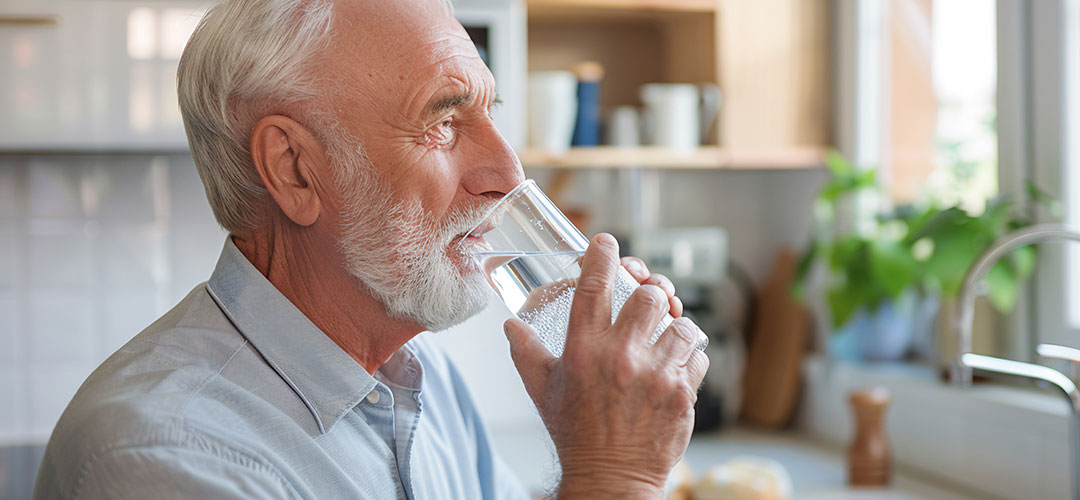
1. Drink More Water
Increasing your water intake may signal to your body that it doesn’t need to cling onto fluids.
Aim for:
- 1.5–2 litres daily (more if active)
- Pale straw-coloured urine as a hydration guide
If plain water feels boring, herbal teas or water with fresh lemon and mint, can help increase intake. Or why not try adding a splash of Liquid Chlorophyll?
2. Reduce Salt – Without Cutting Flavour
Swap processed foods for whole ingredients. Flavour meals with:
- Fresh herbs
- Garlic and ginger
- Lemon juice
- Black pepper
Reading food labels is key if you’re trying to reduce sodium intake.
3. Increase Potassium-Rich Foods
Potassium helps balance sodium levels and supports fluid regulation.
Foods high in potassium include:
- Avocados
- Spinach
- Sweet potatoes
- Bananas
- Beans and lentils
A balanced intake may help reduce bloating and water retention naturally.
4. Support Circulation
If you sit at a desk, set a timer to stand and move every hour. Gentle movement encourages lymphatic drainage and venous return.
Helpful options:
- Brisk walking
- Rebounding
- Yoga
- Elevating your legs in the evening
Compression socks may also be useful during travel.
5. Try Magnesium
Magnesium plays a role in fluid balance and muscle relaxation. Some research suggests it may help reduce premenstrual water retention.
6. Consider Herbal Support
Traditional herbal options sometimes used for fluid balance include:
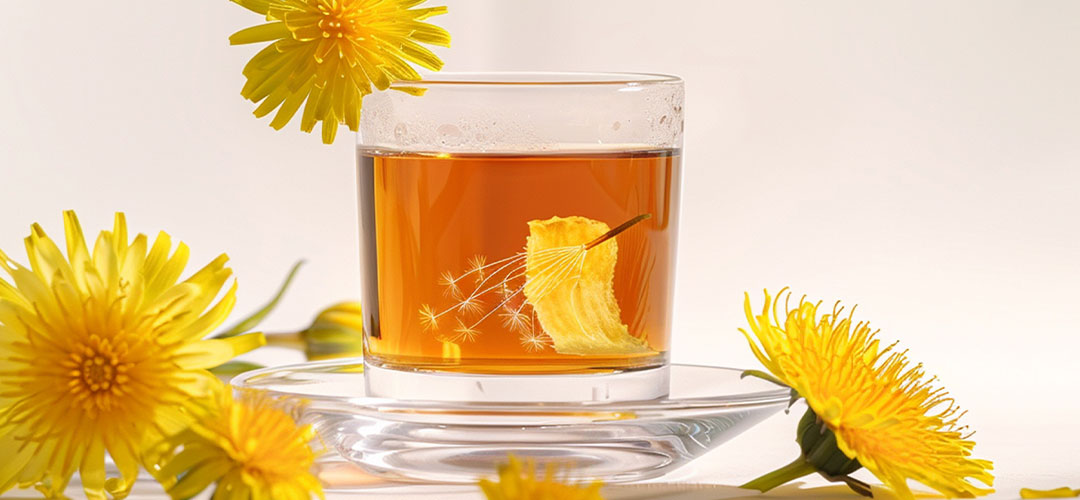
- Dandelion leaf tea
- Parsley
- Nettle
These herbs have traditionally been associated with gentle diuretic properties. However, they are not suitable for everyone and should be used cautiously if you have kidney conditions or are on medication.
7. Eat Enough Protein
Adequate protein intake supports plasma oncotic pressure – essentially helping keep fluid inside blood vessels rather than leaking into tissues.
If you’re experiencing bloating on a low-calorie plan, reviewing your daily protein intake may be helpful.
Is It Water Retention or Weight Gain?
One of the most common confusions is determining the difference between water retention and fat gain.
Here’s how to tell the difference:
- Water retention tends to fluctuate rapidly (within days)
- Swelling may leave a temporary dent when pressed
- It often feels tight or puffy
Fat gain happens gradually over weeks or months and does not create indentation when pressed.
When Should You See a Doctor?
Seek medical advice if:
- Swelling is severe or sudden
- Only one leg is affected
- You experience chest pain or breathlessness
- Fluid retention persists despite lifestyle changes
While mild bloating and temporary fluid shifts are common, persistent oedema should never be ignored.
Disclaimer:
Information and other content provided in Lily & Loaf blogs should not be construed as medical advice and should not be considered a substitute for professional medical expertise. If you have any medical concerns, you should consult with your health care provider.