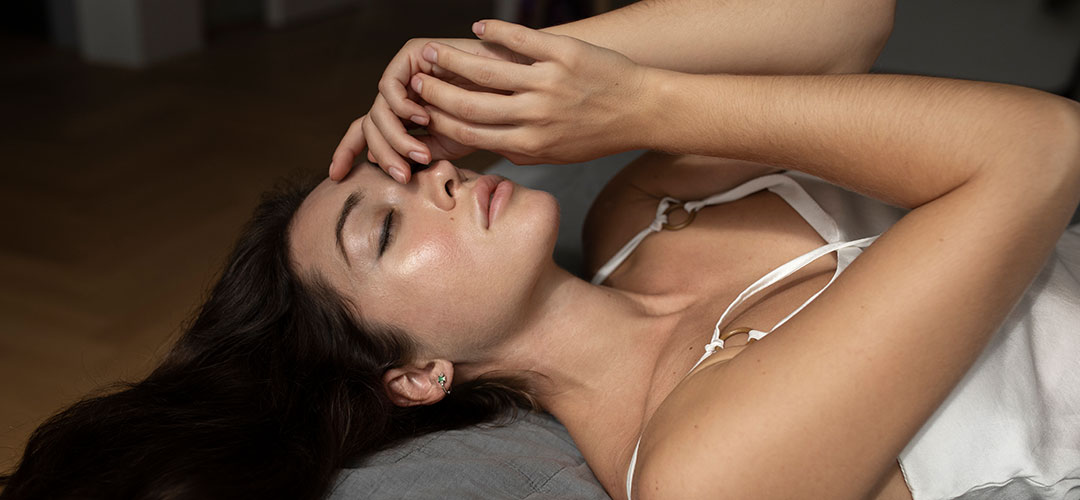
Night sweats can be disruptive, uncomfortable and, at times, concerning. Waking overheated or drenched in perspiration affects sleep quality, recovery and next-day energy levels. Although commonly associated with menopause, night sweats affect both women and men and may arise from a variety of underlying factors.
Understanding the causes of night sweats is essential in order to manage them effectively. Hormonal fluctuations, blood sugar imbalance, stress and environmental triggers are among the most common contributors. In many cases, practical lifestyle and nutritional adjustments may help reduce night sweats naturally and improve overall sleep quality.
What Are Night Sweats?
Night sweats refer to repeated episodes of excessive sweating during sleep, significant enough to soak nightwear or bedding. They differ from simply feeling warm due to a heavy duvet or heated room.
Symptoms may include:
- Sudden waves of intense heat
- Damp sheets or clothing
- Chills following sweating episodes
- Fragmented or restless sleep
- Daytime fatigue
Persistent or severe night sweats should always be assessed by a GP to rule out underlying medical causes.
Common Causes of Night Sweats
Hormonal Changes
Menopause remains one of the most frequent causes of night sweats in women over 40. Declining oestrogen levels influence the hypothalamus, the brain’s temperature regulation centre, leading to vasodilation and heat surges commonly referred to as hot flushes.
Night sweats during perimenopause may begin several years before periods cease entirely. Additional symptoms may include:
- Irregular menstrual cycles
- Mood fluctuations
- Brain fog
- Sleep disruption
Hormonal night sweats can vary in intensity and frequency throughout this transition.
Blood Sugar Fluctuations
Nocturnal drops in blood glucose may trigger a stress response involving cortisol and adrenaline release. This physiological reaction can result in sweating, vivid dreams and sudden waking in the early hours of the morning.
Evening meals high in refined carbohydrates and low in protein may increase the likelihood of overnight blood sugar instability.
Stress and Cortisol Dysregulation
Chronic stress may disrupt circadian rhythm and cortisol patterns. Elevated nighttime cortisol levels can interfere with deep sleep and temperature control, contributing to sweating episodes.
Stress-related night sweats often occur alongside difficulty falling asleep or waking around 3–4am.
Alcohol Consumption
Alcohol causes peripheral blood vessel dilation and can impair thermoregulation. Even moderate intake may increase the likelihood of night sweats, particularly in individuals already prone to hormonal shifts.
Infection or Illness
Temporary night sweats may occur alongside fever or infection. In such cases, sweating is typically short-term and resolves once the underlying illness improves.
Medication Side Effects
Certain antidepressants, hormone therapies and steroid medications list night sweats as a potential side effect. Medication-related sweating should be discussed with a healthcare professional before any changes are made.

How to Reduce Night Sweats Naturally
For many individuals, targeted lifestyle and nutritional strategies may help reduce the frequency and intensity of night sweats.
Maintain a Cool Sleep Environment
The optimal bedroom temperature for sleep typically ranges between 16–18°C. Consider:
- Breathable cotton or bamboo bedding
- Layered blankets instead of heavy duvets
- Moisture-wicking nightwear
- Adequate ventilation
Environmental adjustments are often one of the simplest and most effective first steps.
Stabilise Blood Sugar in the Evening
A balanced evening meal may support overnight metabolic stability. Prioritise:
- Quality protein sources
- Fibre-rich vegetables
- Healthy fats
Limiting alcohol and refined carbohydrates in the hours before bed may help reduce nocturnal temperature spikes.
Support the Nervous System
Magnesium is frequently used to support relaxation and muscle function, and it may contribute to improved sleep quality. Evening relaxation practices such as breathwork, stretching or limiting blue light exposure can also support cortisol regulation.
Moderate Caffeine Intake
Caffeine may remain active in the system for several hours. Reducing afternoon consumption may benefit those experiencing sleep fragmentation and nighttime overheating.
Nutritional Support During Menopause
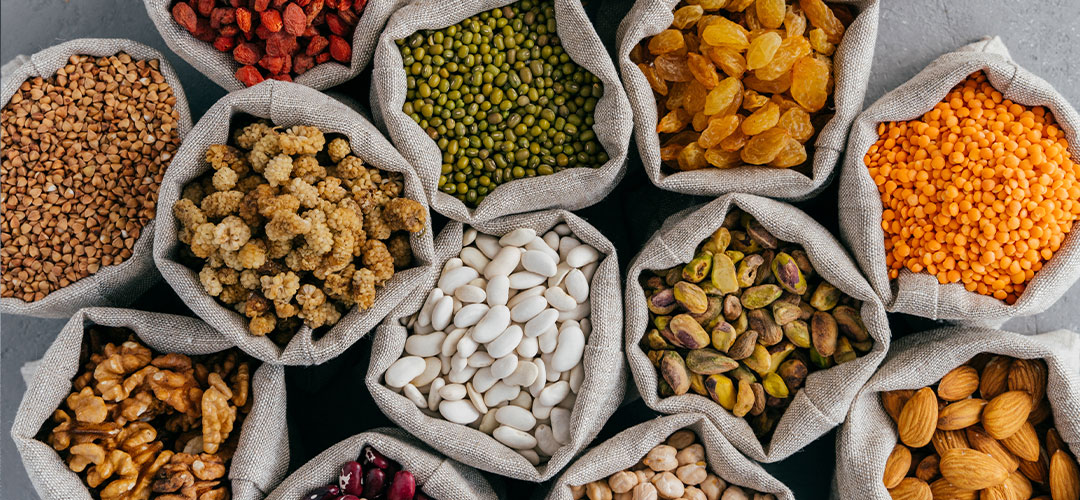
Some women explore phytoestrogen-containing foods such as flaxseeds and legumes as part of a broader menopause support strategy. While individual responses vary, dietary consistency and overall metabolic health remain central to symptom management.
Night Sweats in Men
Although more commonly associated with female hormonal transitions, night sweats in men may arise from stress, alcohol intake, blood sugar imbalance or hormonal shifts, including changes in testosterone levels.
Persistent or unexplained sweating warrants medical assessment.
When to Seek Medical Advice
Medical guidance should be sought if night sweats are:
- Severe or drenching
- Accompanied by unexplained weight loss
- Associated with persistent fever
- Linked to swollen lymph nodes
- Ongoing for several weeks without clear explanation
While hormonal night sweats are common, especially during perimenopause and menopause, other causes must be excluded where appropriate.
The Bottom Line
Night sweats can significantly impact sleep quality and daily wellbeing. Hormonal changes, metabolic instability and stress are among the most common contributors, and in many cases, symptoms may improve with practical lifestyle adjustments.
Maintaining a cool sleep environment, stabilising blood sugar, moderating alcohol and caffeine intake, and supporting stress regulation are foundational strategies. Where symptoms persist or are severe, medical evaluation is essential.
With a considered and consistent approach, it may be possible to reduce night sweats naturally and restore more restorative, uninterrupted sleep.
Disclaimer:
Information and other content provided in Lily & Loaf blogs should not be construed as medical advice and should not be considered a substitute for professional medical expertise. If you have any medical concerns, you should consult with your health care provider.