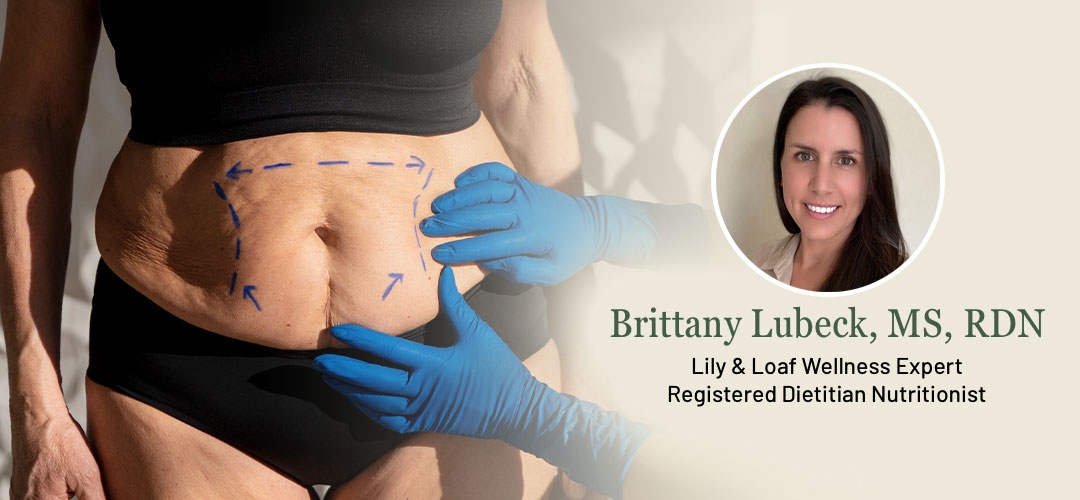
Bariatric surgery is a medical procedure that helps people lose weight.
The surgery typically involves either reducing the size of the stomach or bypassing part of the intestine, both of which may lead to weight loss. Despite its numerous potential benefits, bariatric surgery also carries risks. One of the risks associated with bariatric surgery is the development of nutrient deficiencies.
Does Bariatric Surgery Cause Nutrient Deficiencies?
Bariatric surgery may be recommended to you if you have a body mass index (BMI) of 40 or higher, or if you have a BMI of 35 or higher plus other comorbidities, like diabetes or hypertension.1
The procedure has been proven to lead to greater weight loss than non-surgical management of obesity and is associated with a 42% reduction of cardiovascular risks and a 30% reduction in overall mortality.2
However, there is a significant risk of nutrient deficiencies after bariatric surgery.
There are various types of bariatric surgery, including sleeve gastrectomy, gastric banding, and gastric bypass. Some surgeries may increase the risk of nutrient deficiencies more than others.
Gastric bypass surgeries are thought to have a higher risk of nutrient deficiencies due to lower absorption of nutrients. However, other types of bariatric surgery may cause nutrient deficiencies due to reduced food intake, changes in stomach pH and enzyme function, and malabsorption.3
It’s also worth noting that nutrient deficiencies may be present before a person has bariatric surgery due to poor overall nutrition.3
5 Common Nutrient Deficiencies After Bariatric Surgery
Several nutrient deficiencies are possible after bariatric surgery. The following five nutrients are commonly low after bariatric surgery.
Protein
Protein is the macronutrient with the highest risk of deficiency post-bariatric surgery.
Protein deficiency may occur due to changes in how the nutrient is absorbed or because of diet changes. It is most common in gastric bypass surgeries in which the stomach is made smaller, and its contents are rerouted further down in the small intestine.4
A protein intake of 60-120 grams (g) per day is typically recommended for bariatric surgery patients. Signs of protein deficiency include swelling, muscle loss or fatigue, increased appetite, and hair, skin, and nail changes.4
B Vitamins
Bariatric surgery may lead to a deficiency in certain B vitamins, especially folic acid and vitamin B12.
Vitamin B12 absorption is a multi-step process that relies on intrinsic factor, a type of protein that is released by stomach cells. After bariatric surgery, the release of intrinsic factor may be compromised, leading to poor vitamin B12 absorption, which may cause low energy. Folic acid requires vitamin B12 to be changed to its active form in the body, which is why it may also become low after surgery.5
Bariatric surgery patients may also become deficient in other B vitamins, especially thiamine.5
Iron
Iron deficiency may be a long-term problem in bariatric surgery patients.
Iron is mostly absorbed in the upper regions of the small intestine, which may be bypassed or altered during bariatric surgery. Inflammation, which is typically present after surgery, may also cause iron deficiency.6
Iron deficiency anemia may occur if an iron deficiency is left untreated. Signs of iron deficiency include fatigue, headache, and restless legs.6
Zinc
Zinc is a trace mineral that has many important roles in the body. Although zinc deficiency after bariatric surgery is common, it doesn’t always present with symptoms.
Zinc is absorbed in the upper regions of the small intestine, which may be affected by bariatric surgery. Research shows that zinc deficiency in many bariatric surgery patients may be a long-term problem.7
Vitamin D
Obesity is associated with low levels of vitamin D, which means that vitamin D deficiency may be present both before and after bariatric surgery.
Vitamin D deficiency may be caused by decreased food intake, postoperative vomiting, or malabsorption. Low vitamin D levels may lead to a deficiency in calcium, which requires vitamin D for its own absorption. Low levels of vitamin D and calcium may lead to poor bone health.8

How to Prevent Nutrient Deficiencies After Bariatric Surgery
Although bariatric surgery puts you at a higher risk of nutrient deficiencies, you may be able to prevent or treat deficiencies through proper nutrition and lifestyle changes.
It’s important to take care of yourself after bariatric surgery, not only to prevent nutrient deficiencies but also to support your recovery.
Your diet will look very different post-surgery because your stomach will have a smaller capacity for food.
Once you are out of the hospital and no longer on a liquid diet, eating small, nutrient-dense meals and snacks will be key to maintaining nutrition and helping avoid nutrient deficiencies. It will be vital to make every bite count by choosing nutrient-dense foods over calorie-dense foods as much as possible.
People who have had bariatric surgery typically need to take dietary supplements due to the risk of nutrient deficiencies. Dietary supplements help fill any nutrient gaps that may be caused by eating less.
While nutrient needs may vary, supplements such as a vitamin B complex, calcium, vitamin D, and iron are typically recommended.9
Daily Essentials contains all these nutrients plus protein, healthy fats, and other vitamins, minerals, and amino acids that support recovery. The nutrients in Daily Essentials also support energy, which may be low after bariatric surgery while you adjust to your new lifestyle.
Summary
Bariatric surgery has many potential benefits, including sustainable weight loss, reduced risk of many diseases, and improved overall health.
However, getting bariatric surgery comes with some drawbacks, including an increased risk of nutrient deficiencies. Many nutrient deficiencies are possible, including protein, B vitamins, iron, zinc, and vitamin D.
Following a proper diet and using dietary supplements, like Daily Essentials, may help prevent or treat nutrient deficiencies after bariatric surgery.
If you’ve had or are getting bariatric surgery, be sure to talk with a healthcare provider about possible nutrient deficiencies and what you can do.
References
- Wolfe BM, Kvach E, Eckel RH. Treatment of Obesity: Weight Loss and Bariatric Surgery. Circ Res. 2016;118(11):1844-1855. doi:10.1161/CIRCRESAHA.116.307591
- Lupoli R, Lembo E, Saldalamacchia G, Avola CK, Angrisani L, Capaldo B. Bariatric surgery and long-term nutritional issues. World J Diabetes. 2017;8(11):464-474. doi:10.4239/wjd.v8.i11.464
- Reytor-González C, Frias-Toral E, Nuñez-Vásquez C, et al. Preventing and Managing Pre- and Postoperative Micronutrient Deficiencies: A Vital Component of Long-Term Success in Bariatric Surgery. Nutrients. 2025;17(5):741. doi:10.3390/nu17050741
- Lange J, Königsrainer A. Malnutrition as a Complication of Bariatric Surgery - A Clear and Present Danger?. Visc Med. 2019;35(5):305-311. doi:10.1159/000503040
- Vieira de Sousa JP, Santos-Sousa H, Vieira S, et al. Assessing Nutritional Deficiencies in Bariatric Surgery Patients: A Comparative Study of Roux-en-Y Gastric Bypass versus Sleeve Gastrectomy. J Pers Med. 2024;14(6):650. doi:10.3390/jpm14060650
- Sandvik J, Bjerkan KK, Græslie H, et al. Iron Deficiency and Anemia 10 Years After Roux-en-Y Gastric Bypass for Severe Obesity. Front Endocrinol (Lausanne). 2021;12:679066. doi:10.3389/fendo.2021.679066
- Jiao Y, Liu Y, Chen S, Tang L. Zinc Deficiency After Bariatric Surgery: A Systematic Review and Meta-Analysis. Indian J Surg. 2024;87:10-17. doi: 10.1007/s12262-024-04082-1
- Lespessailles E, Toumi H. Vitamin D alteration associated with obesity and bariatric surgery. Exp Biol Med (Maywood). 2017;242(10):1086-1094. doi:10.1177/1535370216688567
- Wong DH, Kim E, Rim DS, et al. Evaluating the Compliance, Efficacy, and Cost of Formulated Vitamins Versus Separate Supplements in Post-bariatric Surgery Patients. Obes Surg. 2023;33(10):3127-3132. doi:10.1007/s11695-023-06802-0
Disclaimer:
Information and other content provided in Lily & Loaf blogs should not be construed as medical advice and should not be considered a substitute for professional medical expertise. If you have any medical concerns, you should consult with your health care provider.