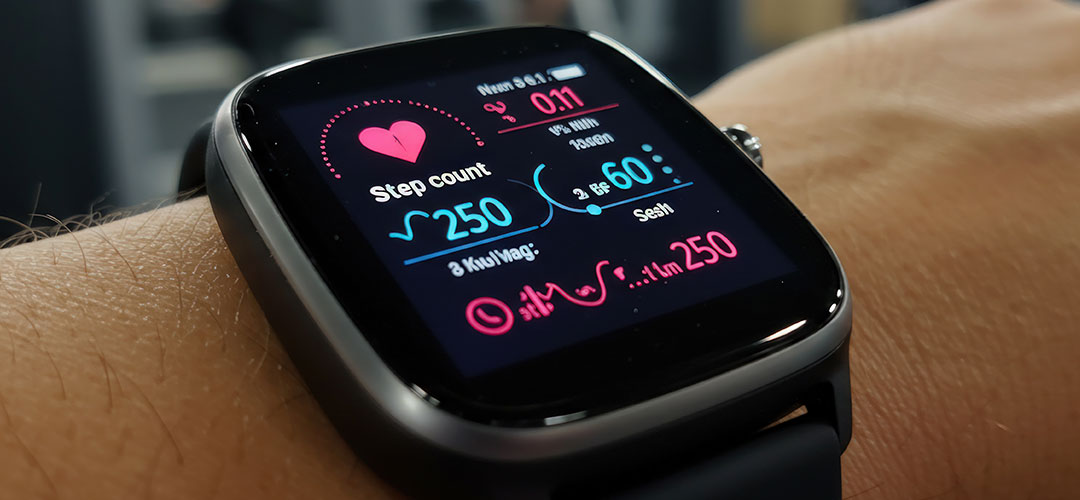
If you own a smartwatch or fitness tracker, you may have noticed a metric called HRV, or Heart Rate Variability. Alongside steps, sleep scores and resting heart rate, HRV has become one of the most talked-about health measurements.
Despite its name, a higher HRV doesn't mean your heart is beating irregularly. In fact, it refers to the tiny variations in time between each heartbeat. These small differences are completely normal and can provide insight into how your body is responding to everyday life.
While HRV isn't something to become obsessed with, tracking it over time may help you better understand how factors such as sleep, stress, exercise and recovery are affecting your overall wellbeing.
What Is Heart Rate Variability?
Your heart doesn't beat like a metronome. Even if your heart rate is 60 beats per minute, the gap between each beat isn't exactly one second. Instead, those intervals naturally vary by tiny fractions of a second. This variation is known as Heart Rate Variability (HRV).
HRV is influenced by the autonomic nervous system, which controls many of the body's automatic functions, including heart rate, breathing and digestion. It reflects the balance between the body's "fight or flight" response and its "rest and digest" state.

What Does Your HRV Tell You?
Rather than measuring fitness directly, HRV provides a snapshot of how your body is coping. Your HRV naturally changes from day to day depending on a variety of factors, including:
- Sleep quality
- Stress levels
- Physical activity
- Recovery after exercise
- Alcohol consumption
- Illness
- Hydration
Many people find that their HRV is higher after a good night's sleep and lower when they're run down, stressed or recovering from intense exercise. The important thing isn't comparing your HRV with someone else's, but understanding what is normal for you.
Why Is Everyone Talking About It?
Advances in wearable technology have made HRV far more accessible than it used to be. Many smartwatches and fitness trackers now measure it automatically while you sleep, making it easy to spot trends over time. Athletes have used HRV for years to help guide training and recovery, but it is now becoming popular with anyone interested in improving sleep, managing stress or supporting overall wellbeing. Rather than relying solely on how you feel, HRV can provide another piece of the puzzle when looking at your health.
Can You Improve Your HRV?
There is no magic number to aim for, and HRV naturally varies between individuals. Age, genetics and overall health all influence what is considered normal. Instead of trying to chase a higher score, it's more useful to focus on the habits that support your body's ability to recover.
These include getting enough sleep, managing stress, staying physically active, eating a balanced diet, drinking enough water and allowing time for rest after exercise. Many people also notice that reducing alcohol intake, maintaining a regular sleep routine and spending time outdoors have a positive effect on how they feel, which may also be reflected in their HRV over time.
Don't Read Too Much Into One Number
It's easy to become fixated on health data, especially when wearable devices provide so many statistics each day. However, HRV is just one measurement. A lower reading on a single day doesn't necessarily mean anything is wrong. It may simply reflect a poor night's sleep, a busy week at work or yesterday's tough workout. Looking at long-term patterns is generally far more useful than worrying about individual readings.
A Helpful Tool, Not a Health Score
Heart Rate Variability offers an interesting glimpse into how your body responds to the demands of daily life.
Used alongside other indicators such as sleep quality, energy levels and overall wellbeing, it can help you understand when you may need more rest or when your body feels ready for activity.
The goal isn't to achieve the highest HRV possible. It's to learn what helps you feel healthy, resilient and well recovered.
Sometimes the most valuable thing your smartwatch tells you isn't how many steps you've taken, but that your body might appreciate an early night instead.
Disclaimer:
Information and other content provided in Lily & Loaf blogs should not be construed as medical advice and should not be considered a substitute for professional medical expertise. If you have any medical concerns, you should consult with your health care provider.