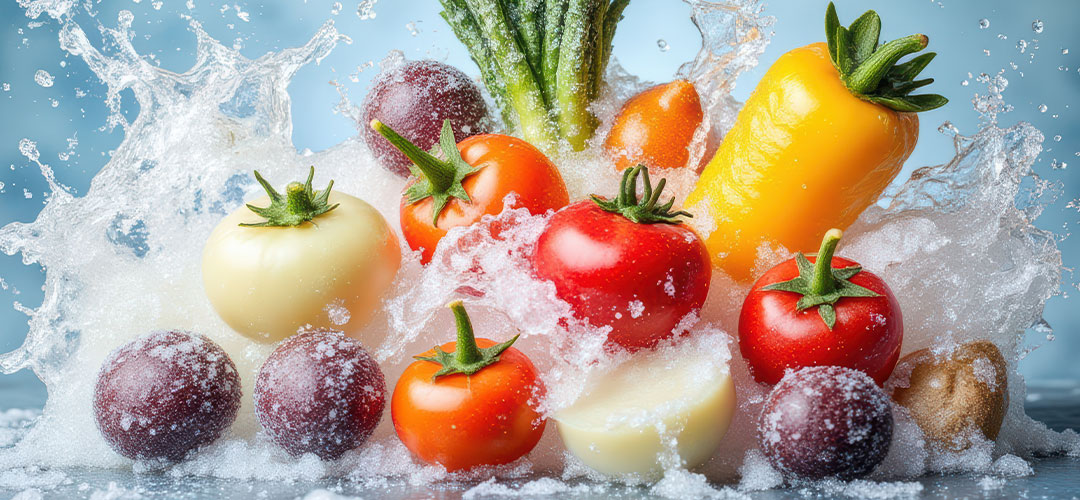
When people think about hydration, it’s usually all about how much water you drink. And yes, that matters. But here’s the bit most people miss: you can eat your way to better hydration too.
In fact, a surprising amount of your daily fluid intake comes from food. So, if you’re only focusing on your water bottle, you’re leaving easy wins on the table.
Let’s look at how hydrating foods can support fluid balance, energy, and even digestion, especially during warmer months or busy days when drinking enough water slips down the priority list.
What are hydrating foods?
Hydrating foods are simply foods with a high water content. Many fruits and vegetables are made up of over 80–90% water.
That means when you eat them, you’re not just getting vitamins and fibre. You’re also topping up your fluid levels without really thinking about it.
This is particularly helpful if:
- You forget to drink regularly
- You don’t enjoy plain water
- You’re more active or spending time in warmer weather
It’s hydration, just in a slightly more interesting format.
Why hydration isn’t just about water
Your body doesn’t just need fluids. It also needs electrolytes and nutrients to actually use that fluid properly.
This is where water-rich foods come into their own.
They provide:
So instead of water just passing straight through, your body is better able to retain and use it.
Everyday hydrating foods
Cucumbers
Cucumbers are about 95% water, making them one of the most hydrating foods you can eat.
They’re light, refreshing, and easy to add to almost anything.
Try them:
- Sliced into salads
- Added to wraps or sandwiches
- Dropped into water for a subtle flavour
They’re ideal when you want something crisp without feeling heavy.
Celery
Celery often gets overlooked, but it’s another hydration hero.
It contains around 95% water and naturally provides small amounts of electrolytes like potassium.
Simple ways to use it:
- As a quick snack with hummus or nut butter
- Chopped into soups or stews
- Juiced or blended into smoothies
It’s one of those foods that quietly does a lot behind the scenes.
Oranges
Oranges are not just about vitamin C. They’re also around 85–90% water.
Plus, they contain natural sugars and potassium, which may help support hydration and energy levels.
Easy ways to include them:
- As a mid-morning snack
- Added to salads for a fresh twist
- As part of breakfast alongside yoghurt or oats
They’re especially helpful when you need a quick pick-me-up.
Other water-rich foods worth including
While watermelon gets most of the attention, there are plenty of other options:
- Strawberries
- Lettuce
- Courgette
- Tomatoes
- Peppers
Mixing these into your meals makes staying hydrated feel effortless.

How hydrating foods support energy and wellbeing
Hydration affects more than thirst.
Even mild dehydration may lead to:
- Tiredness
- Headaches
- Poor concentration
- Low mood
By including more foods that support hydration, you’re helping your body stay balanced throughout the day.
Many people notice they feel:
- More energised
- Less sluggish in the afternoon
- Clearer mentally
Not bad for something as simple as adding a few extra veg to your plate.
Simple ways to eat more hydrating foods
No need to overhaul your diet. Small changes go a long way.
- Add cucumber or celery to lunches
- Snack on fruit instead of processed options
- Include a side salad with evening meals
- Blend fruit and veg into smoothies
- Keep pre-chopped options in the fridge for convenience
It’s about making it easy, not perfect.
What to expect
If you’re used to relying on tea, coffee, or the occasional glass of water, adding hydrating foods can feel like a small shift.
But over time, it adds up.
You may notice:
- Fewer energy dips
- Better digestion
- Less reliance on caffeine
- A general feeling of being more “switched on”
Nothing dramatic. Just steadier.
Is it worth it?
If staying hydrated feels like a constant effort, this is one of the easiest ways to support it.
No tracking. No strict rules. Just real food doing what it’s meant to do.
Water still matters, of course. But pairing it with hydrating fruits and vegetables gives your body a bit more to work with.
And if that means fewer afternoon slumps and a bit more energy to get through the day… it’s a pretty good trade.
Disclaimer:
Information and other content provided in Lily & Loaf blogs should not be construed as medical advice and should not be considered a substitute for professional medical expertise. If you have any medical concerns, you should consult with your health care provider.